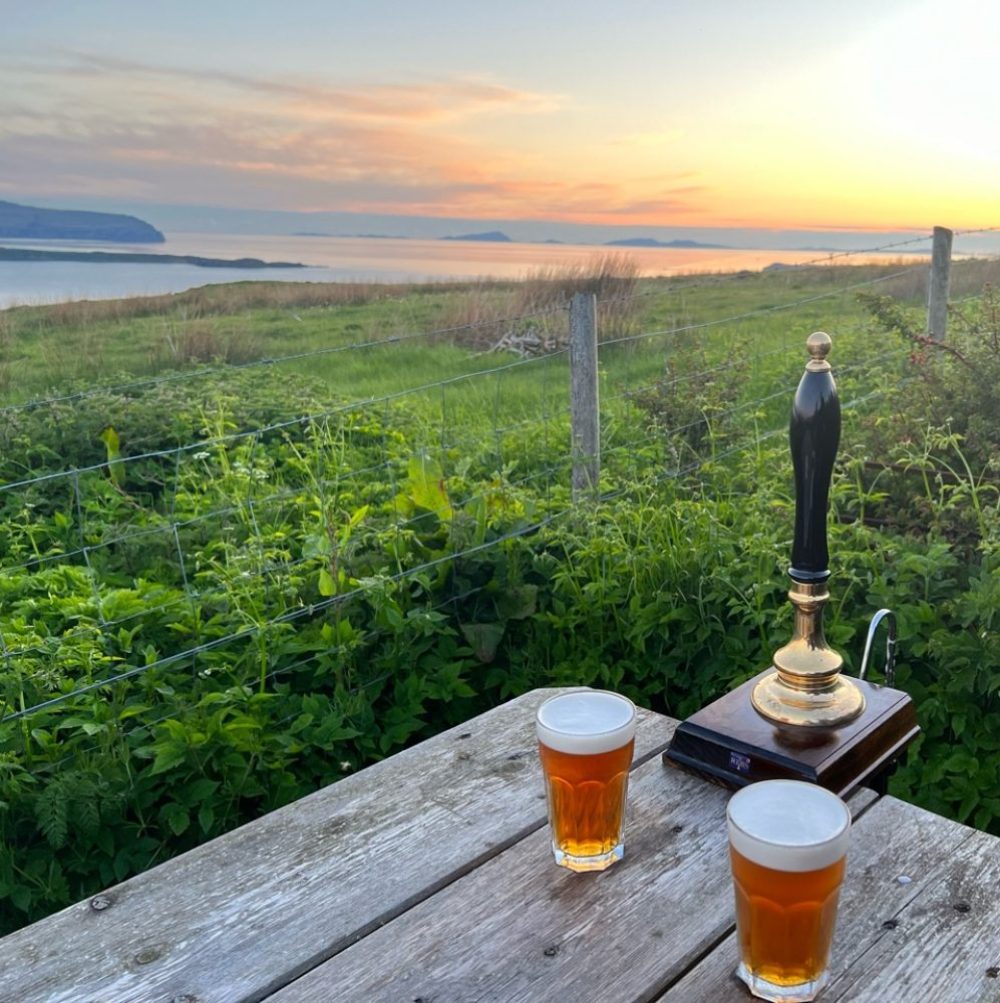

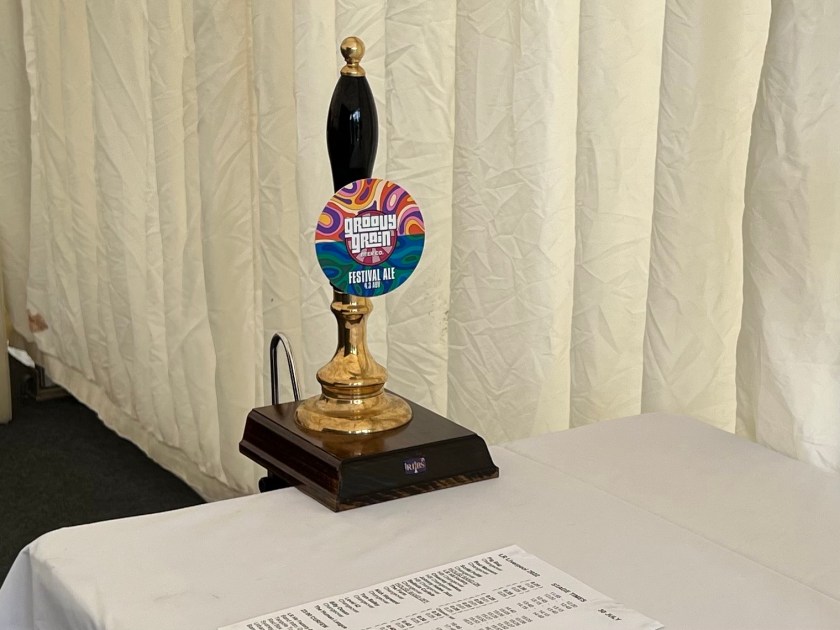

This blog tells you how to brew your own Festival Ale as we did for The Farm at ‘Let’s Rock Liverpool’ recently.
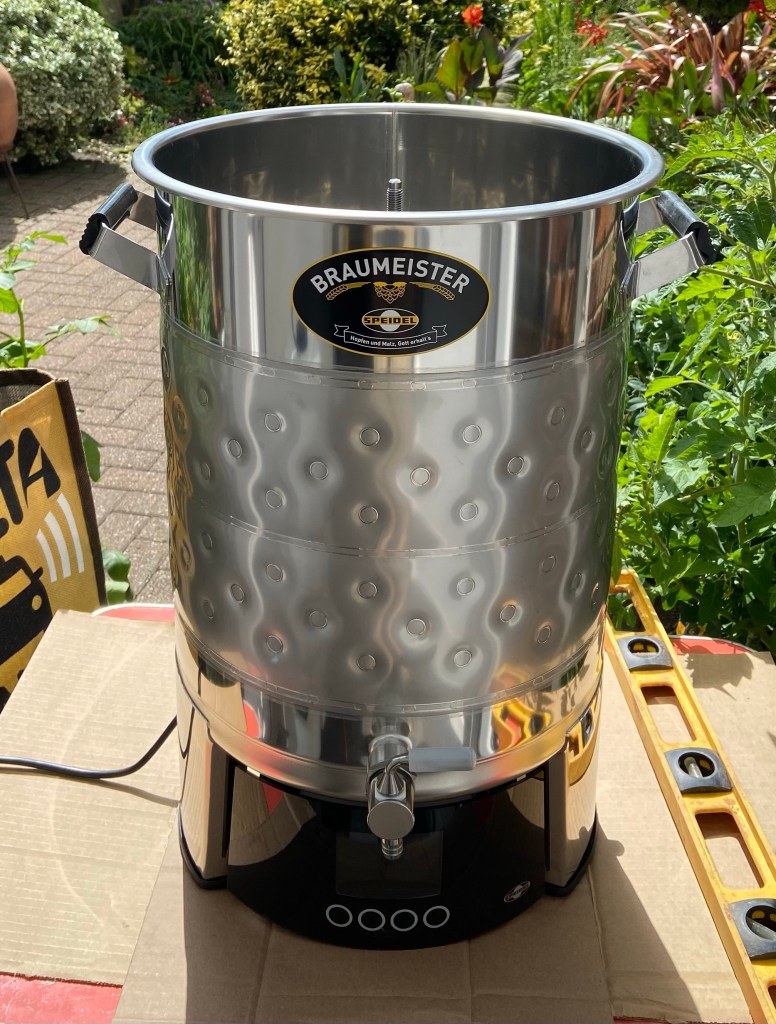
To start with, fill your beer kettle with water to about the 23 litre level and set the temperature to 38 degrees C. We use the Braumeister 20 litre kettle.
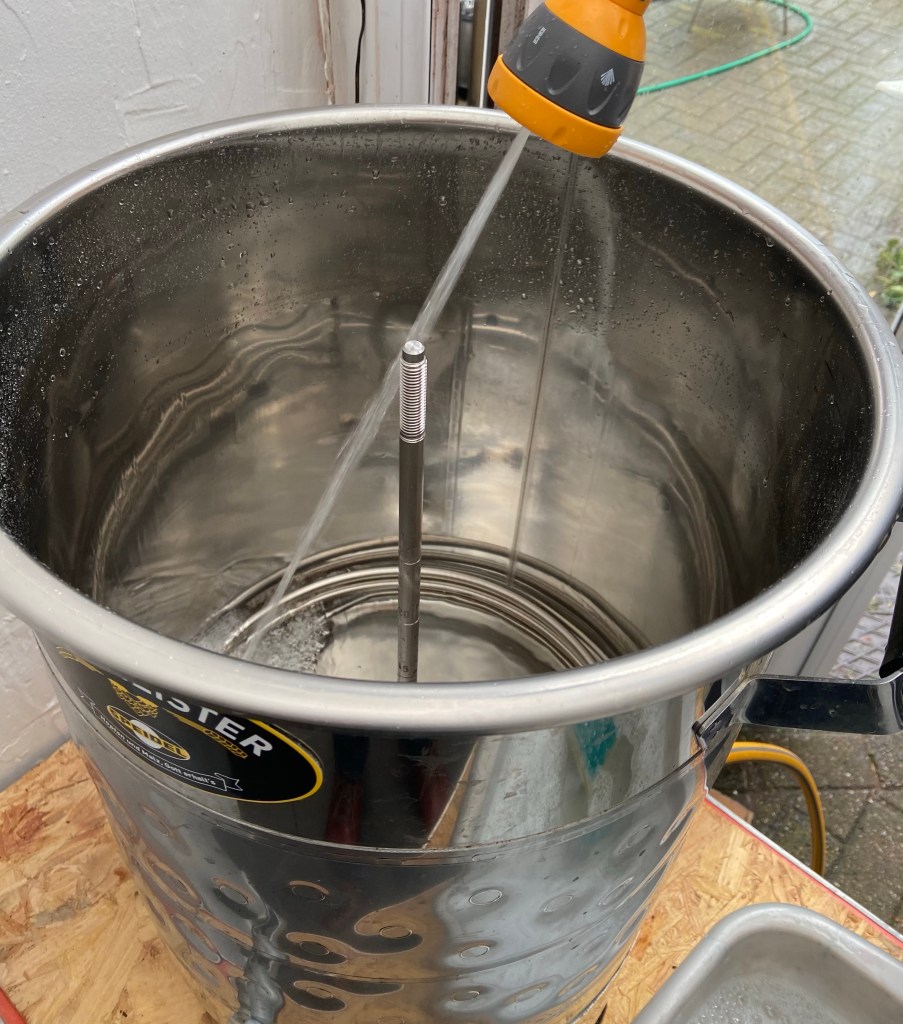
Weigh out 4.5 kilos of low colour Maris Otter malt and 500g of Dextrine malt.
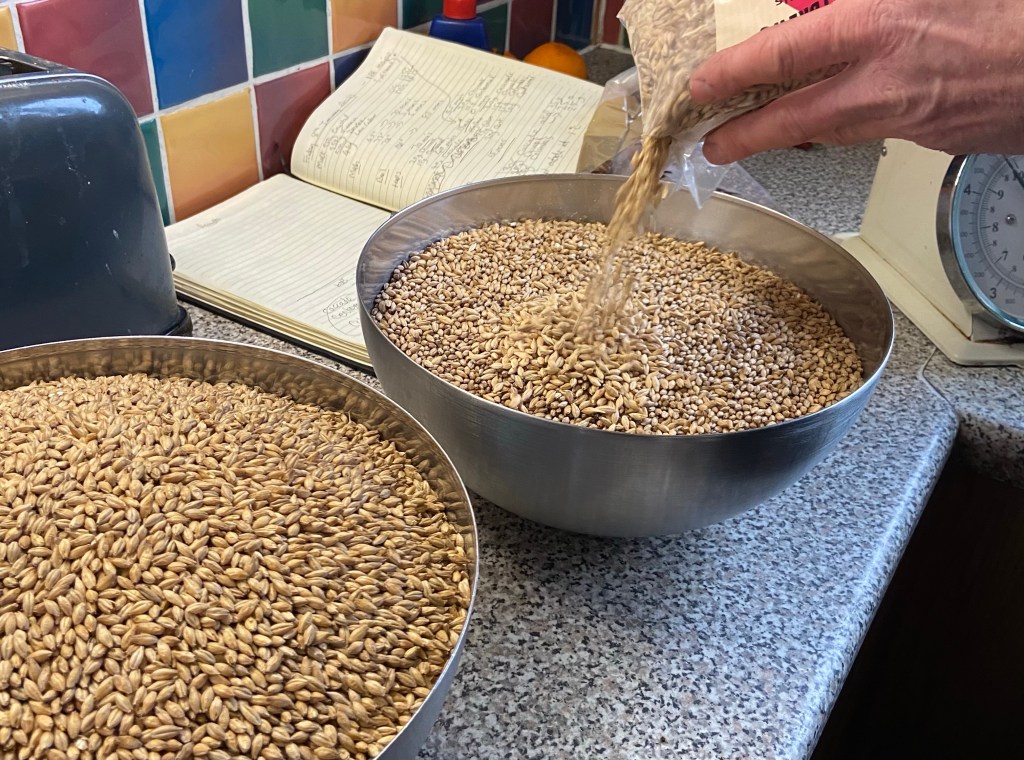
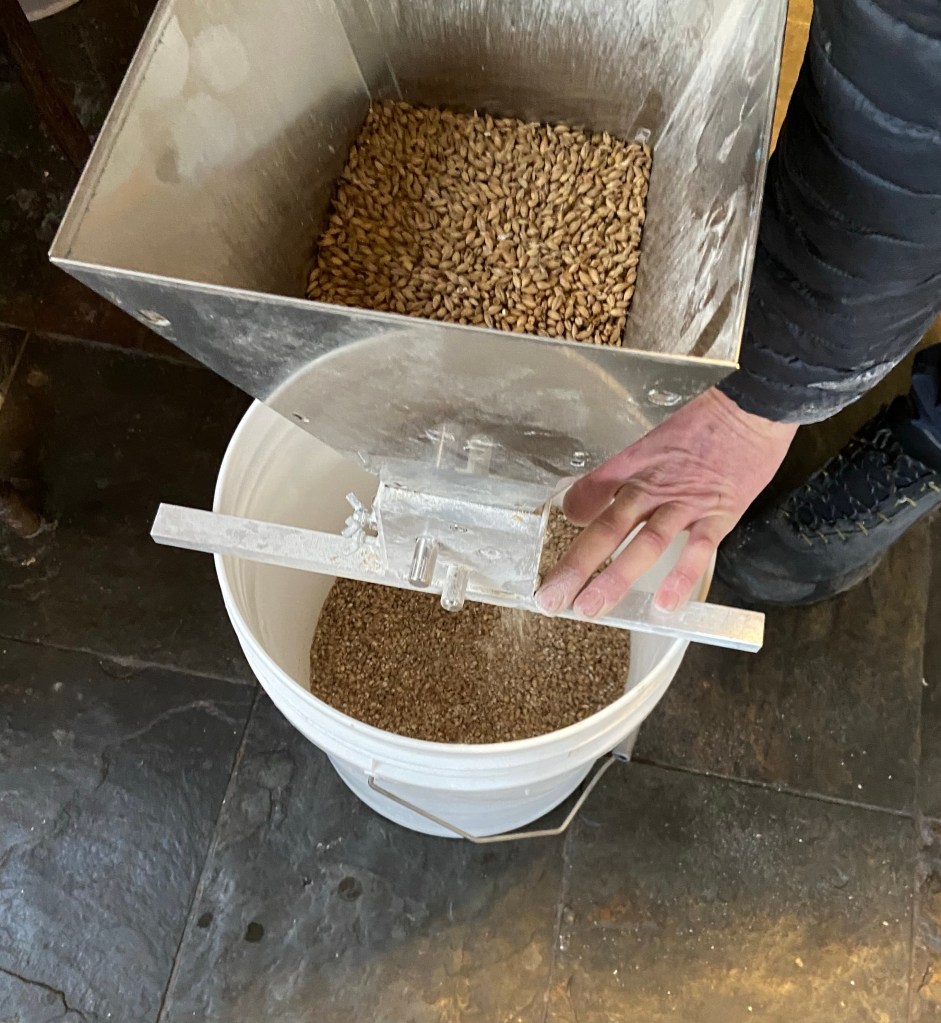
Crush the grain.
Once the desired temperature has been reached, insert the malt pipe in to the kettle and add all the grain stirring continuously.
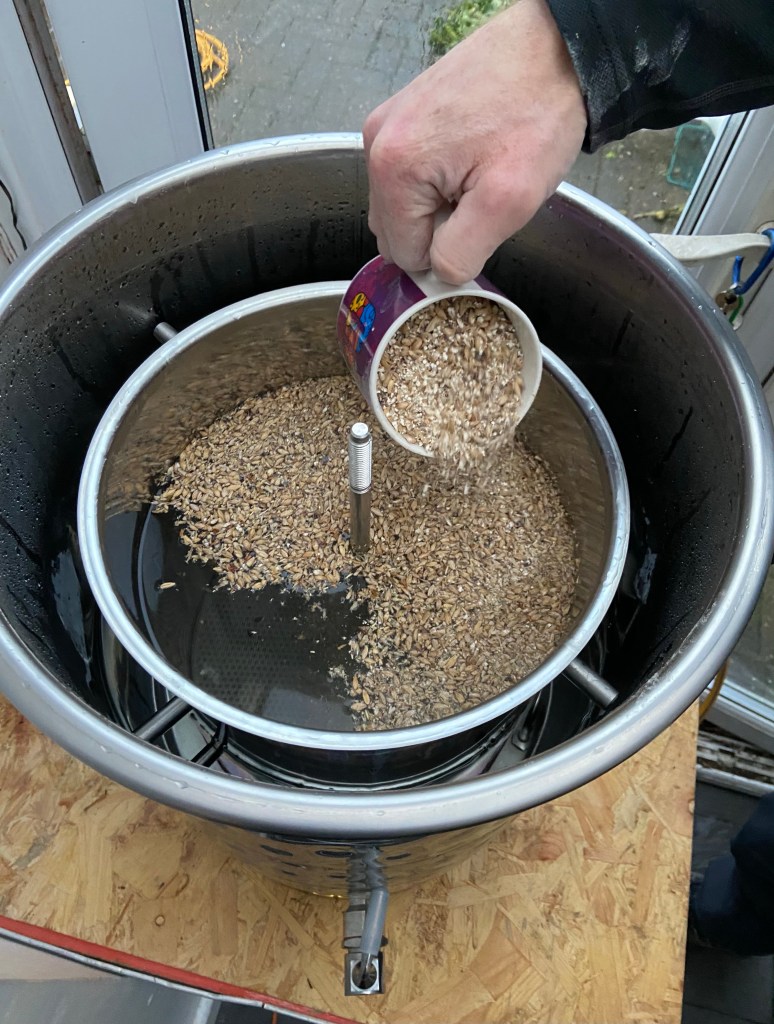
The grain has to be crushed to allow the heated water access to the enzymes in the starch.
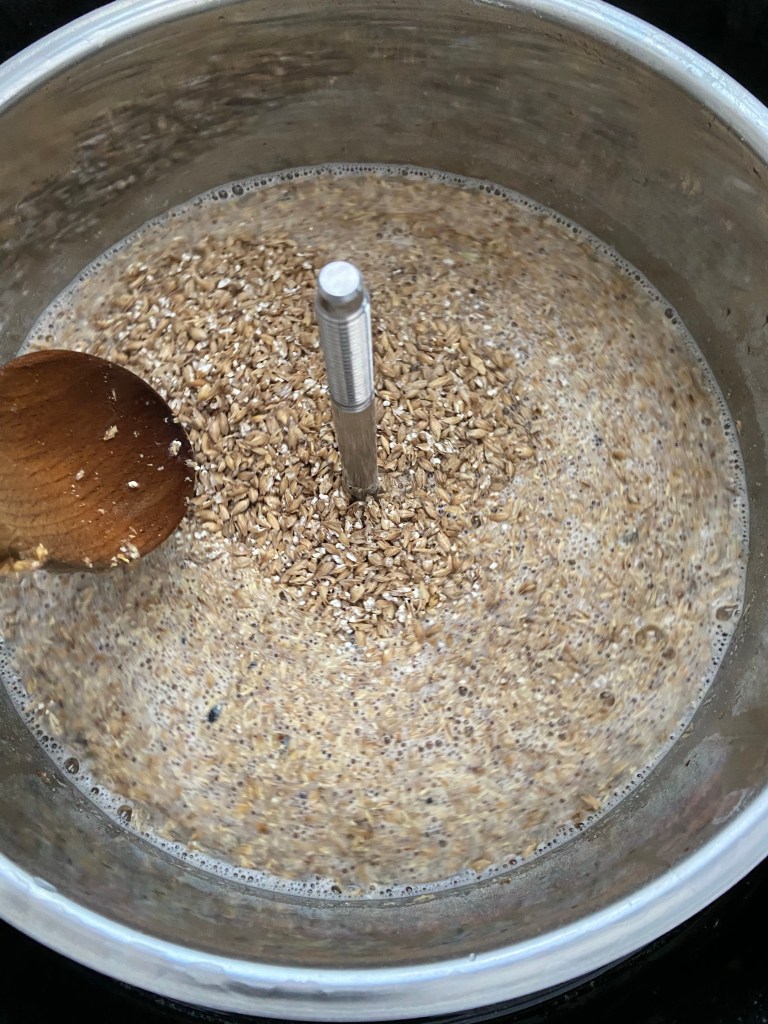
Once all the grain is in, secure the malt pipe and switch on the internal pump. The temperature will gradually rise to 65 degrees C.
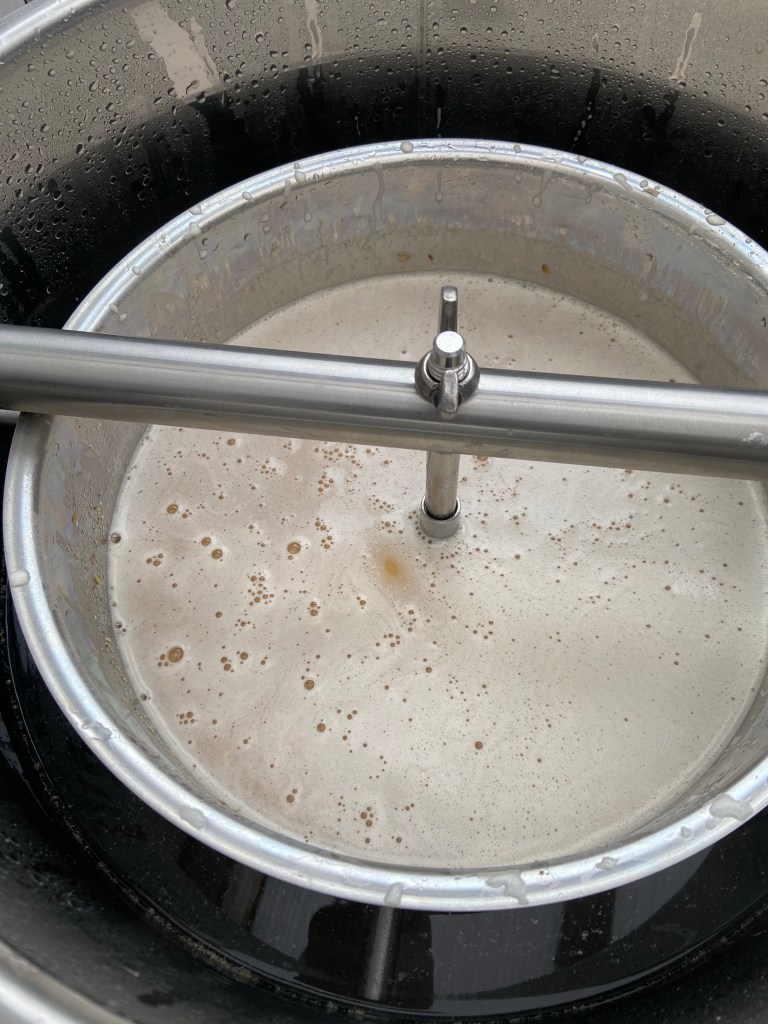
Steep the grains with the lid on for about an hour and a half – this process is called mashing.
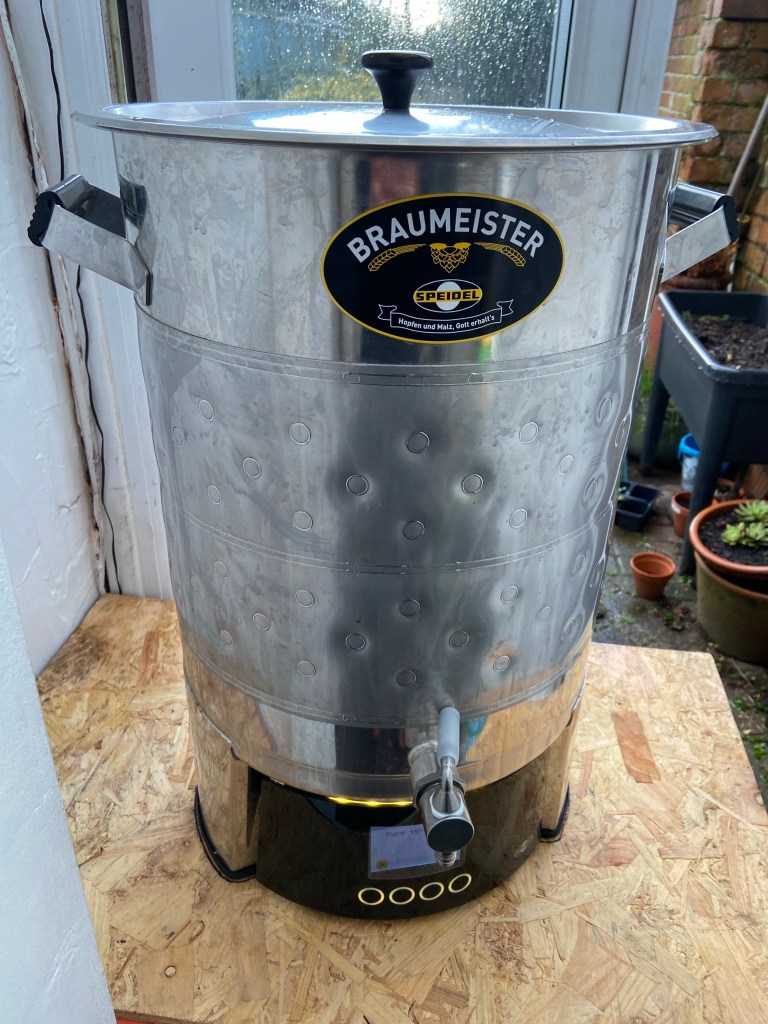
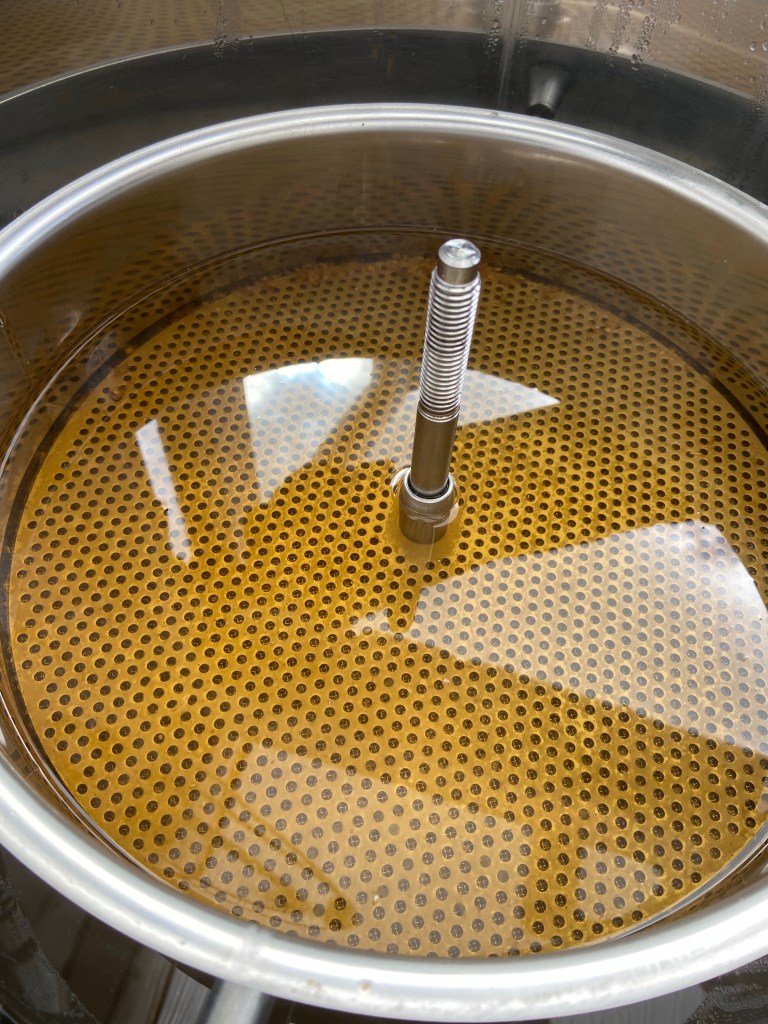
When the mash is finished take the lid off and you will see that the water has changed colour, from now on this is referred to as the wort.
Now lift out the malt pipe and pour hot water over the grain to replace any of the wort lost to evaporation.
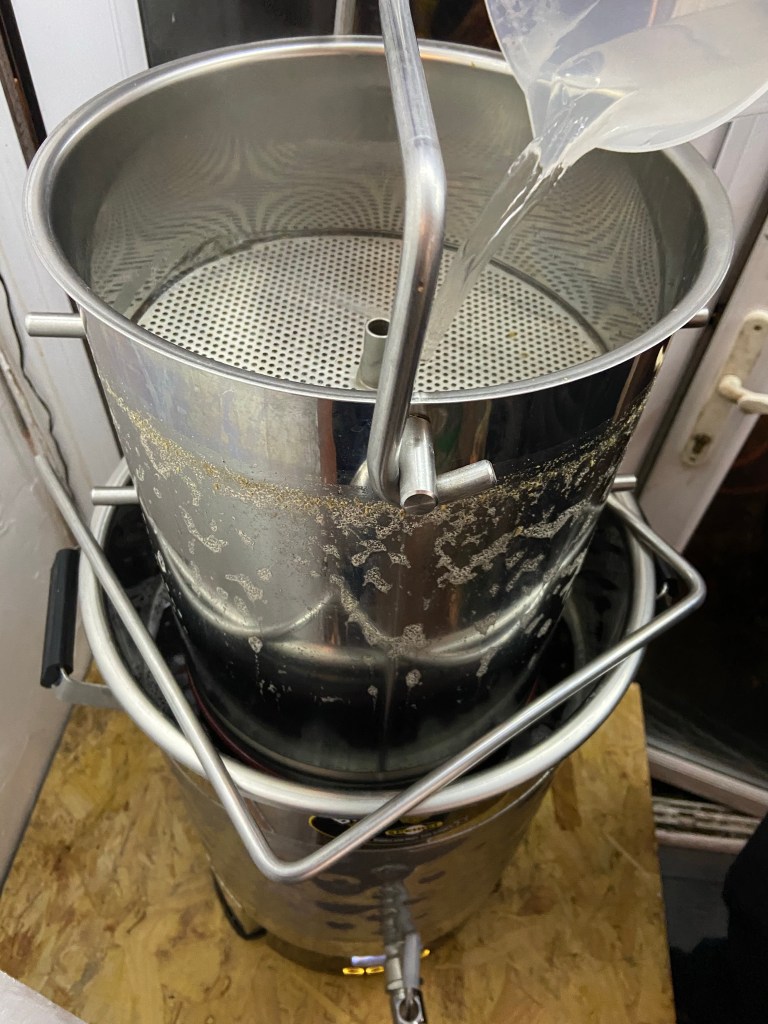
The grain is now discarded
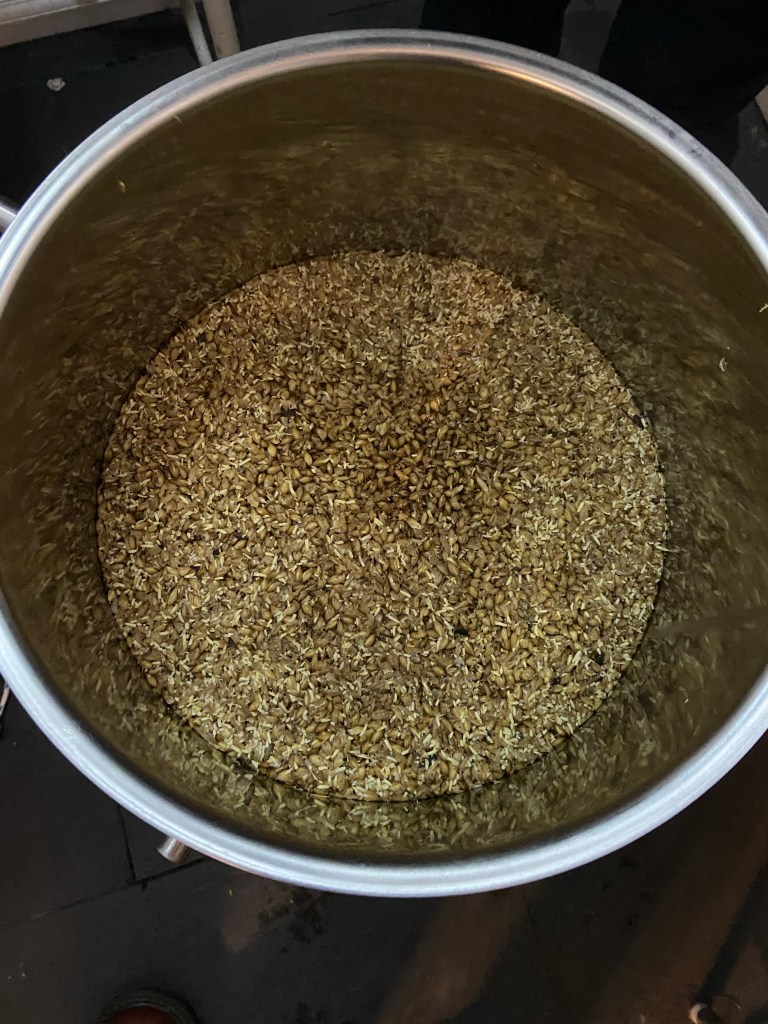
Now set the temperature to 100 degrees C…
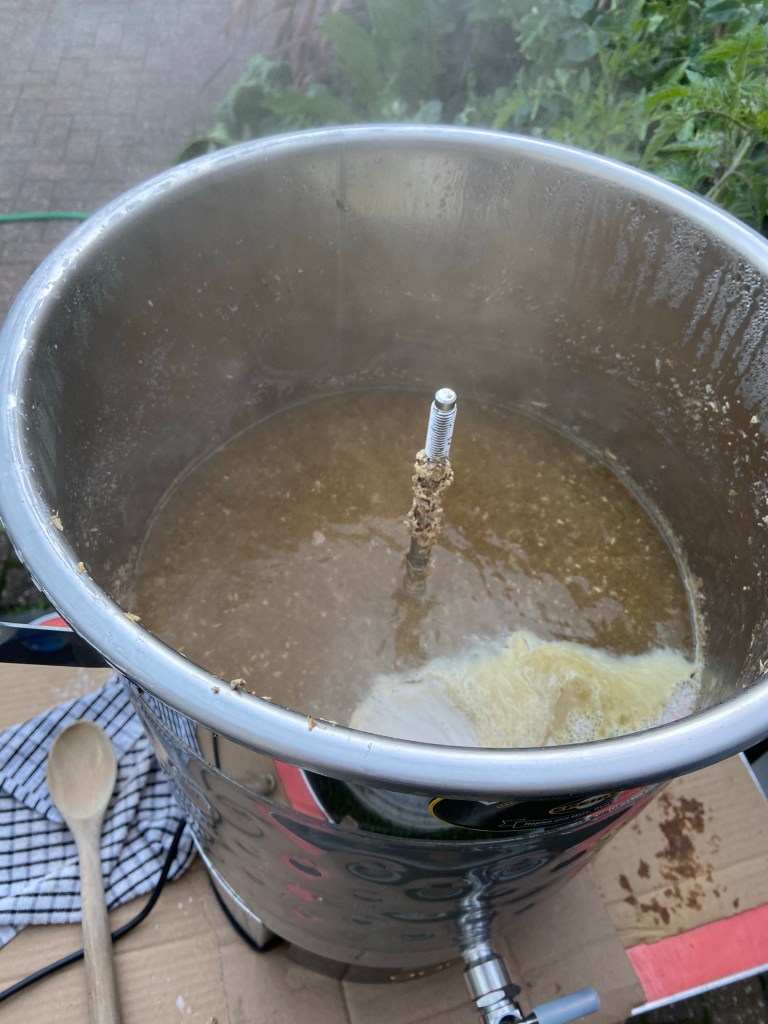
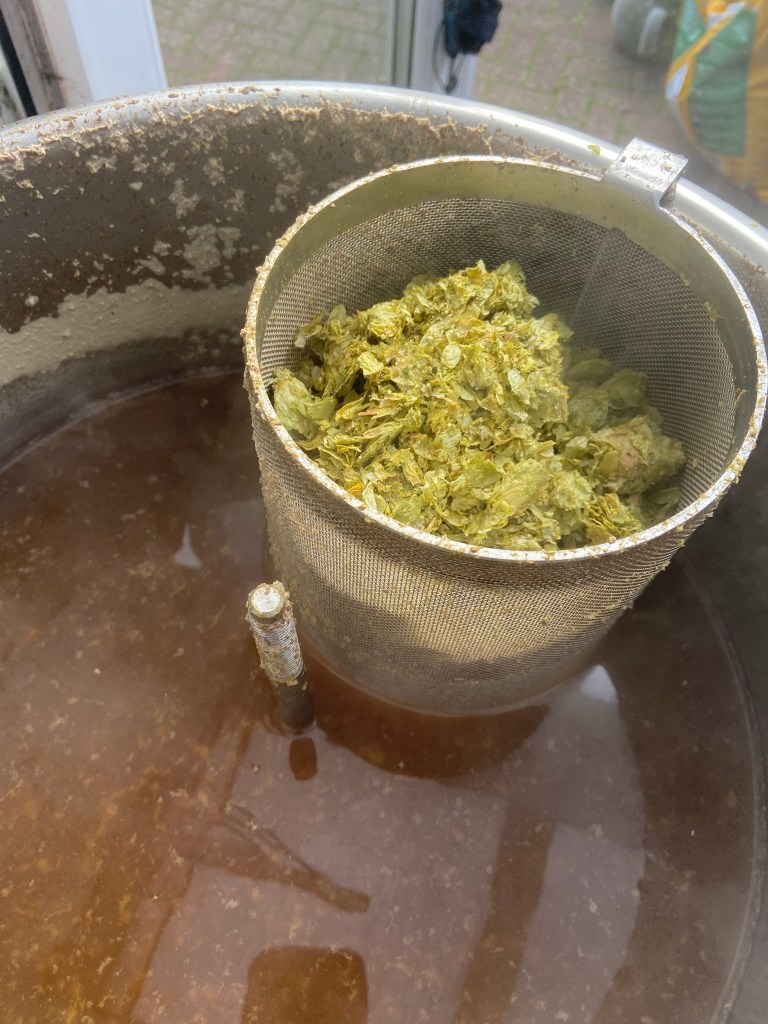
weigh some hops…
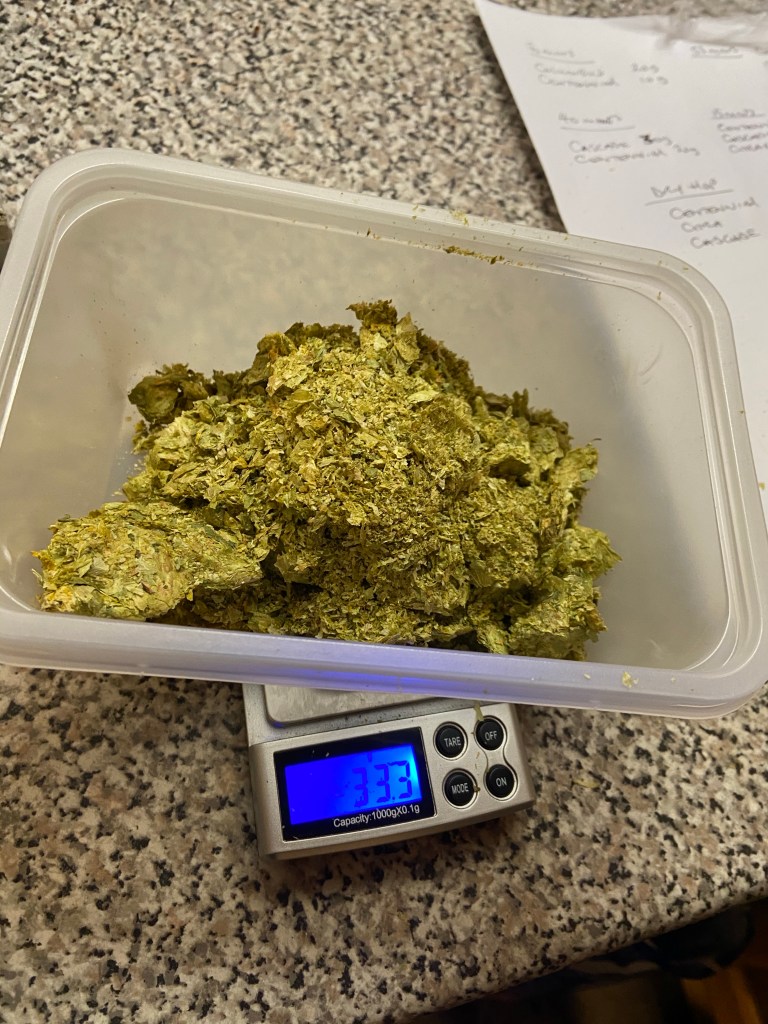
and add to the wort.
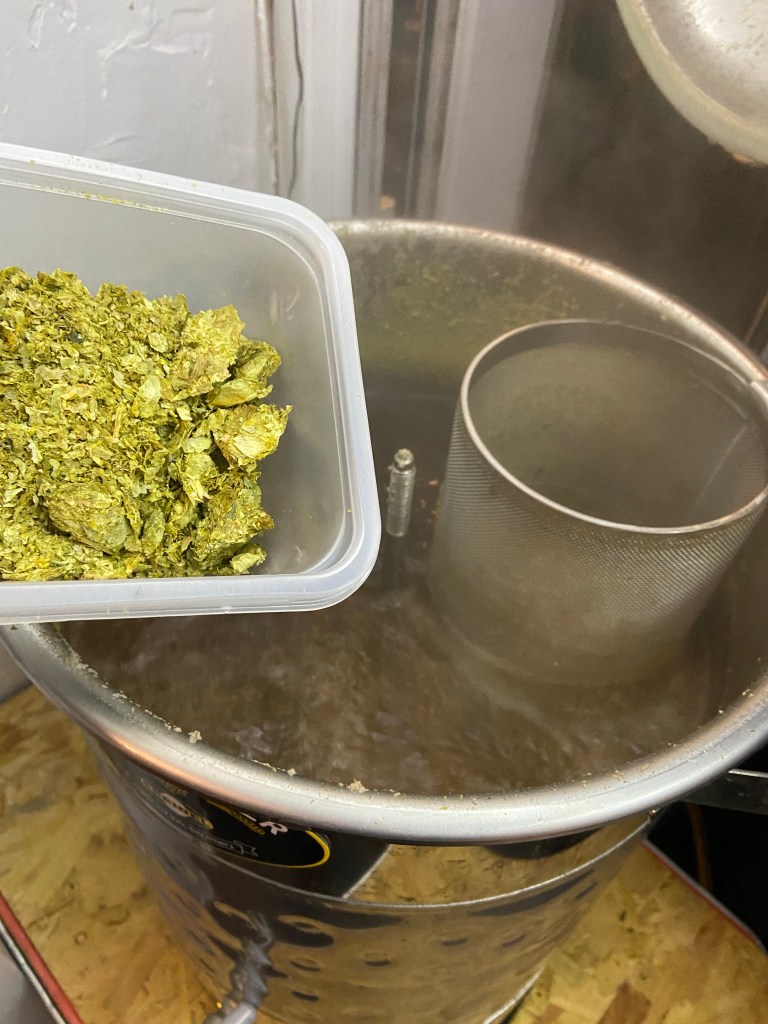
Boil for about an hour adding further hops along the way. For this brew we are using two lots of New Zealand hops and one lot of US hops.
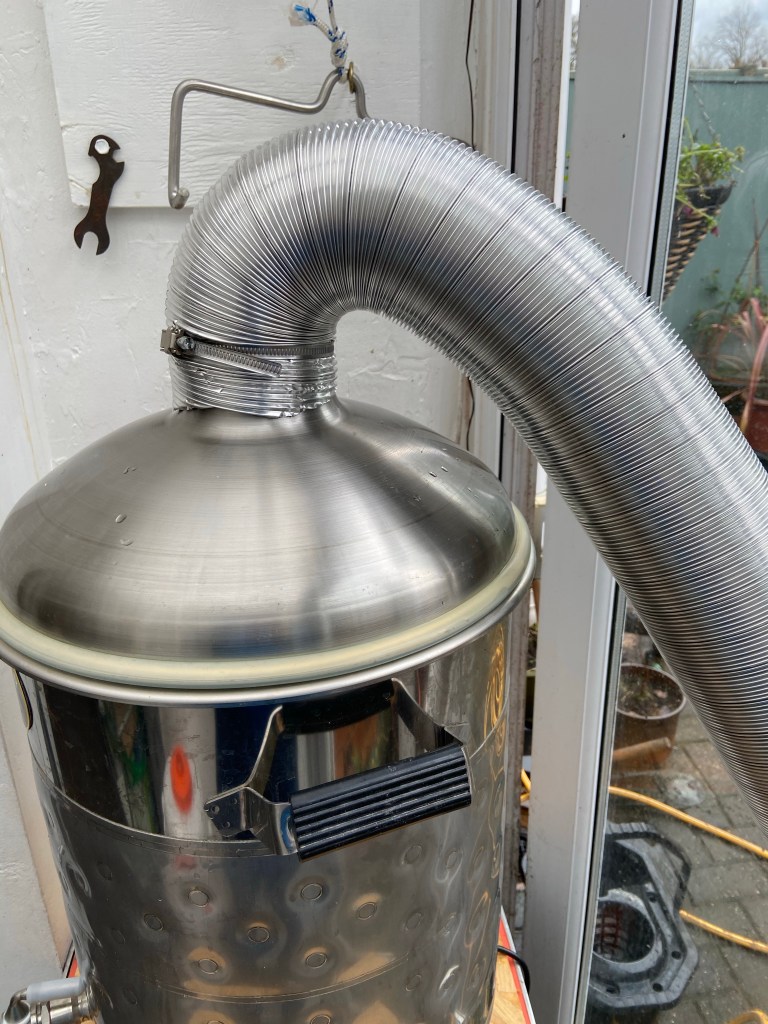
At this point we put a chimney on top of the kettle to reduce evaporation.
At the end of the boil the wort has to be cooled down to 20 degrees C. There is a rapid cool mechanism in the Braumeister which does the job in half an hour which is perfect.
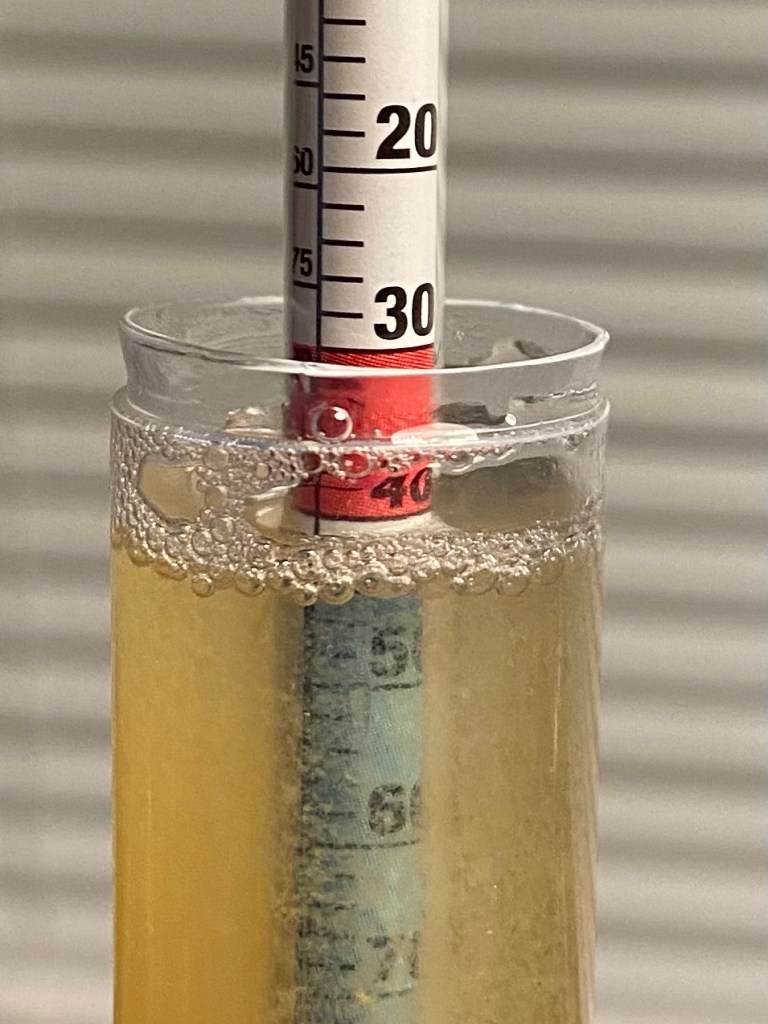
Once it’s cooled we take a hydrometer reading – this enables us to know how much sugar is in the wort.
Now pour the wort into a fermenting bucket and add yeast.
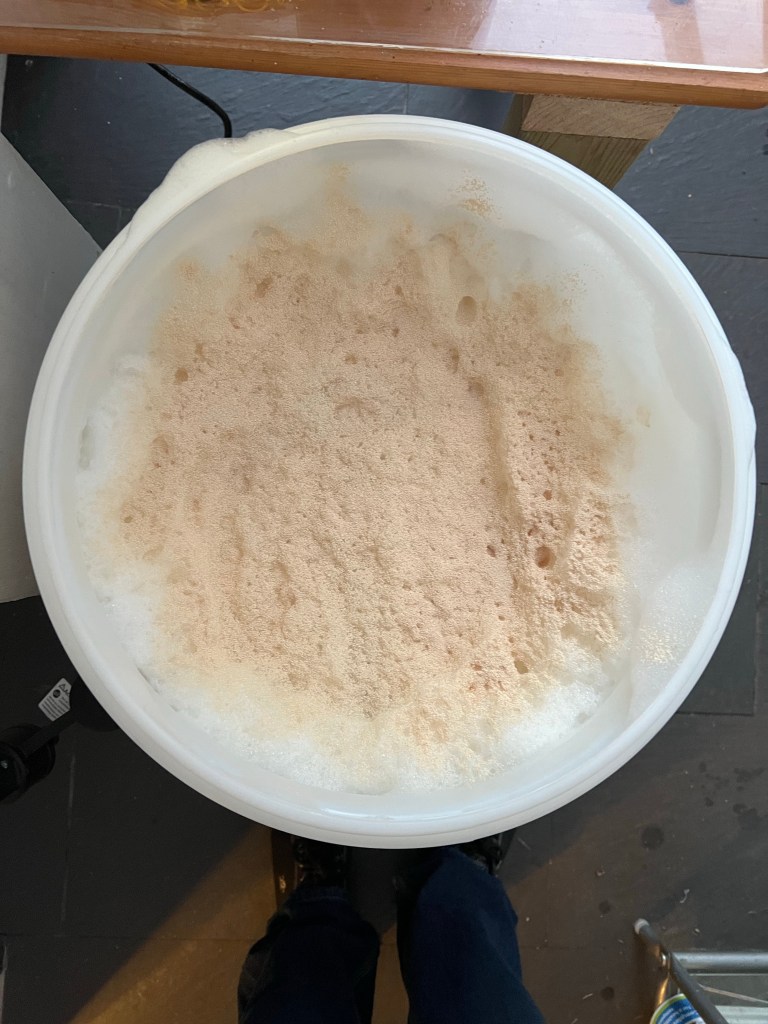
Put on the lid and an airlock and leave it to ferment in a fermenting chamber for about a week at 20 degrees C.
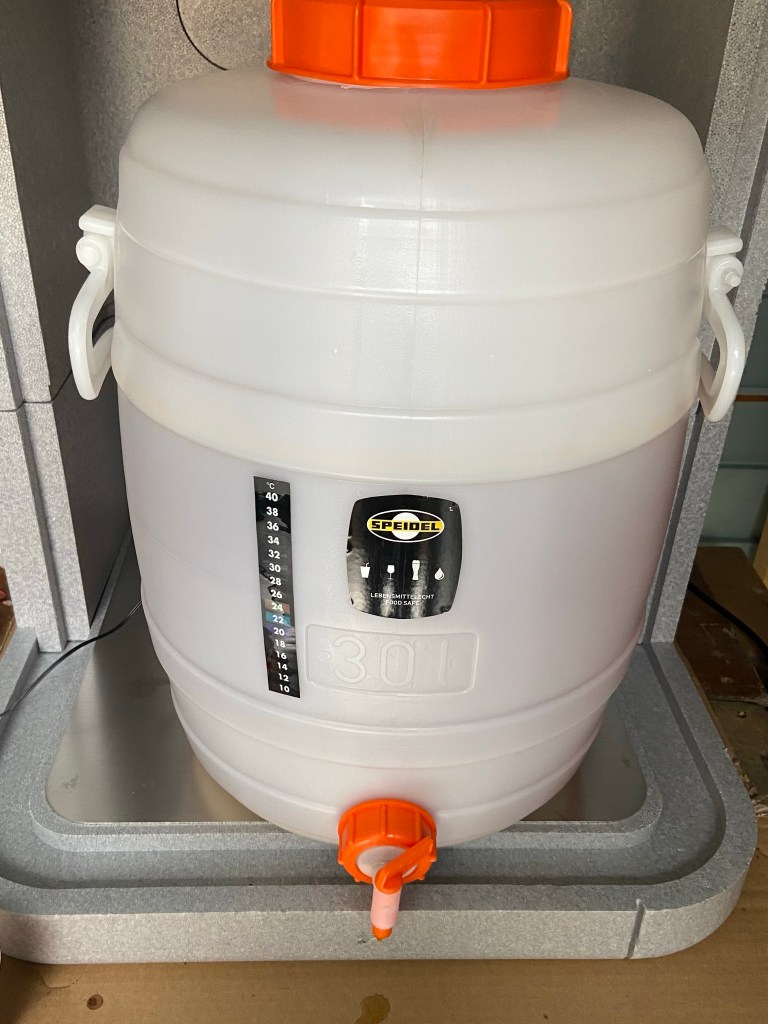
After a week quickly take off the lid and add some more hops to the fermenting beer.
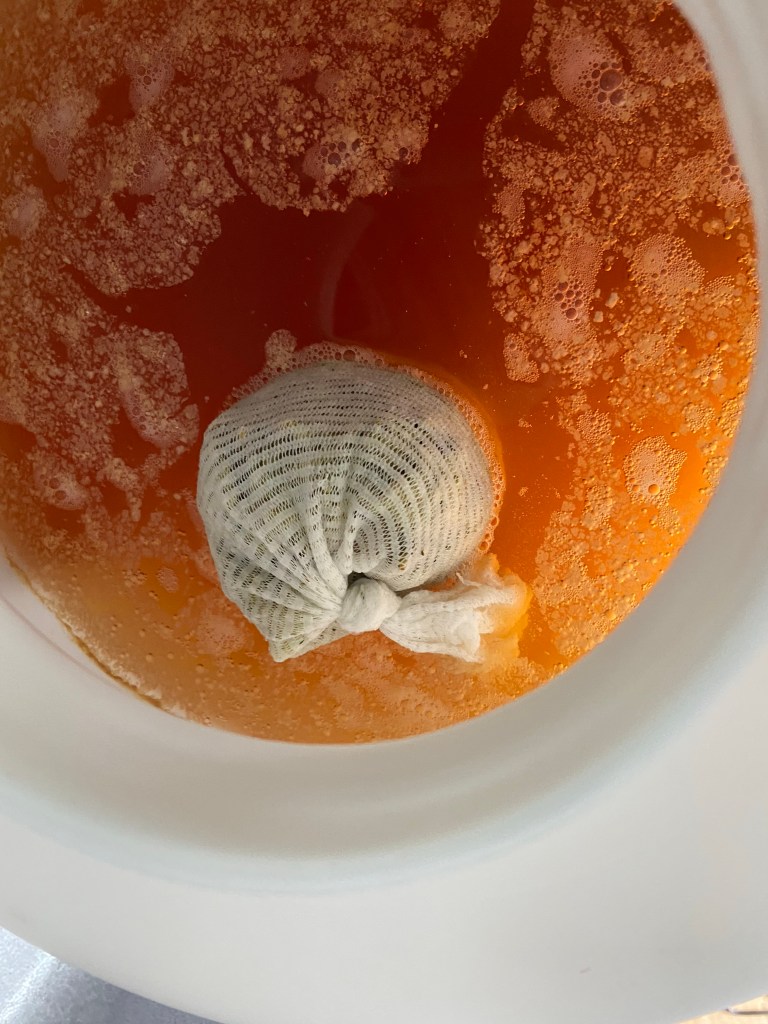
Replace the lid and airlock and leave for another week.
At this point you can test the final gravity – this reading allows us to see how much of the sugar has been turned into alcohol.
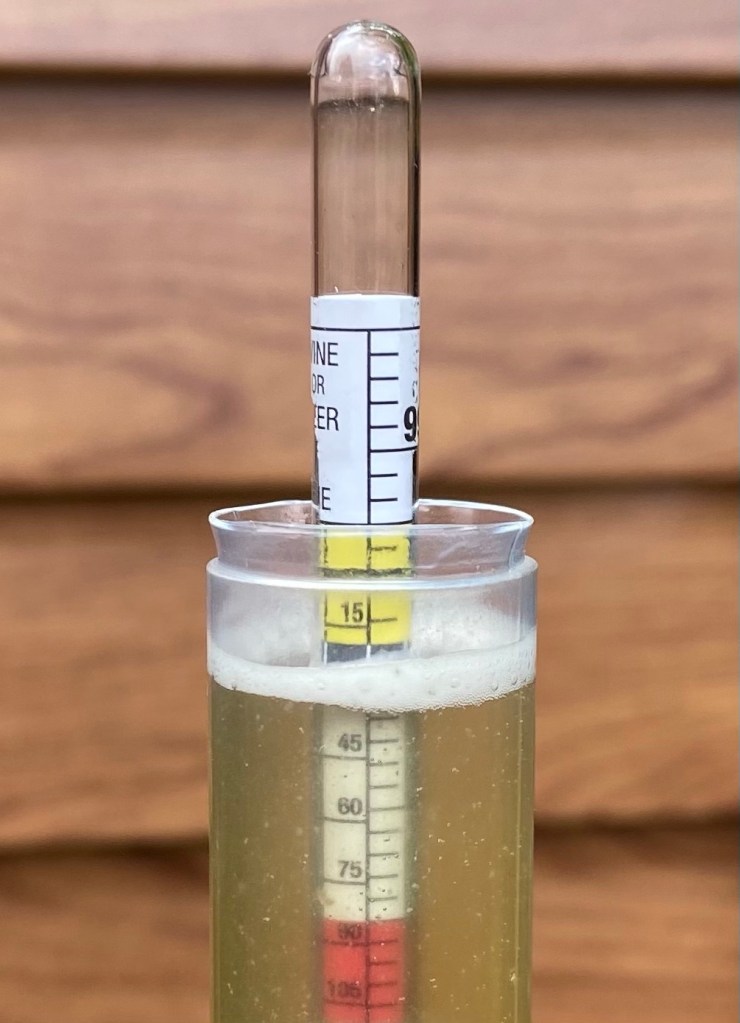
By subtracting the final gravity from the original gravity and then multiplying by 131.25 we reached an AVB of 4.3%
We’re now ready to transfer the beer into the cask.
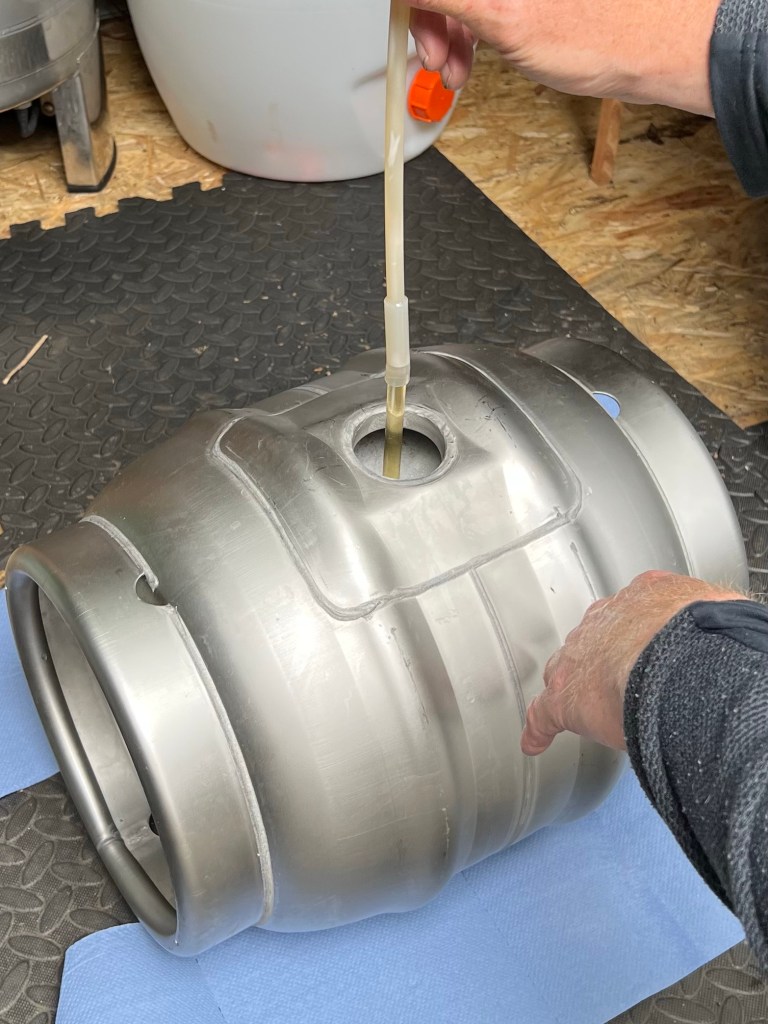
Once full, knock in a bung and put the cask back into the fermenting chamber to mature for three weeks at 12 degrees C.
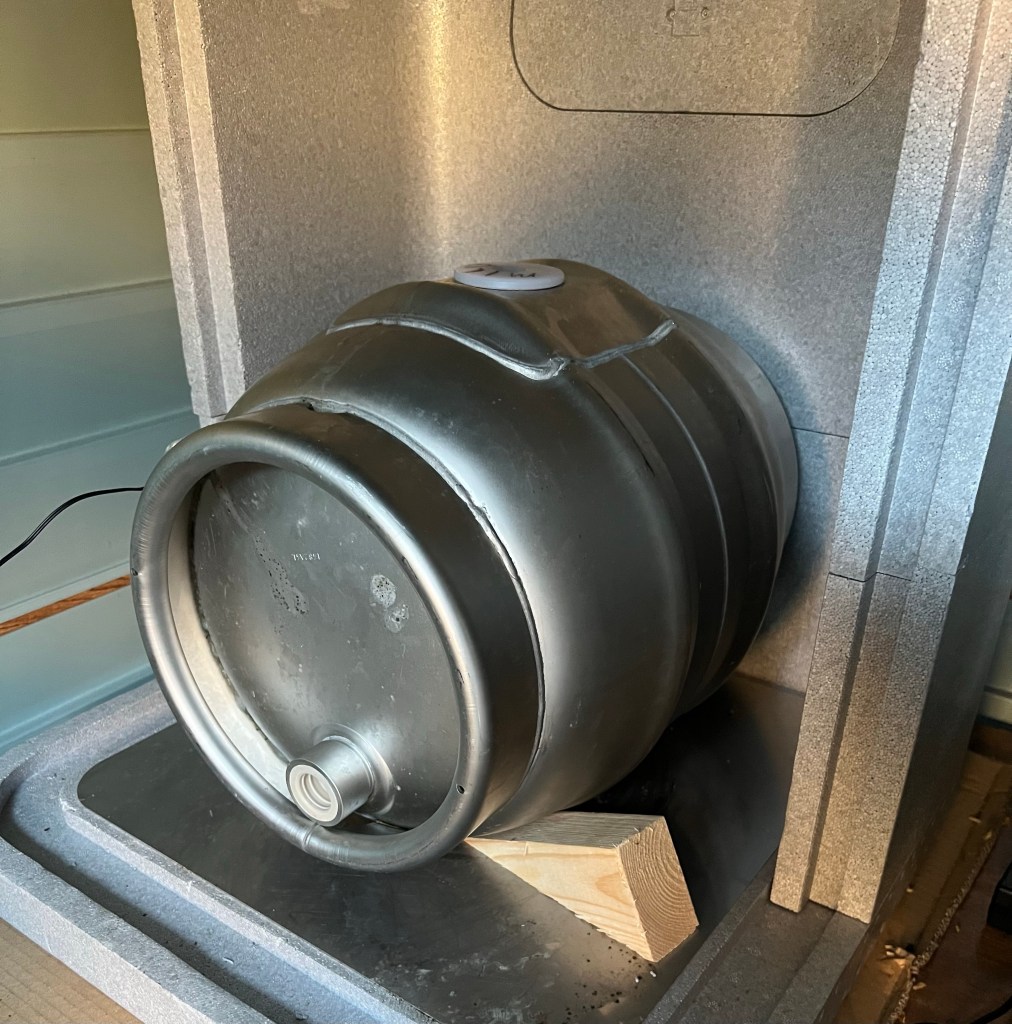
On the day of the festival we transported the cask to the venue where we vented it and knocked in a tap.
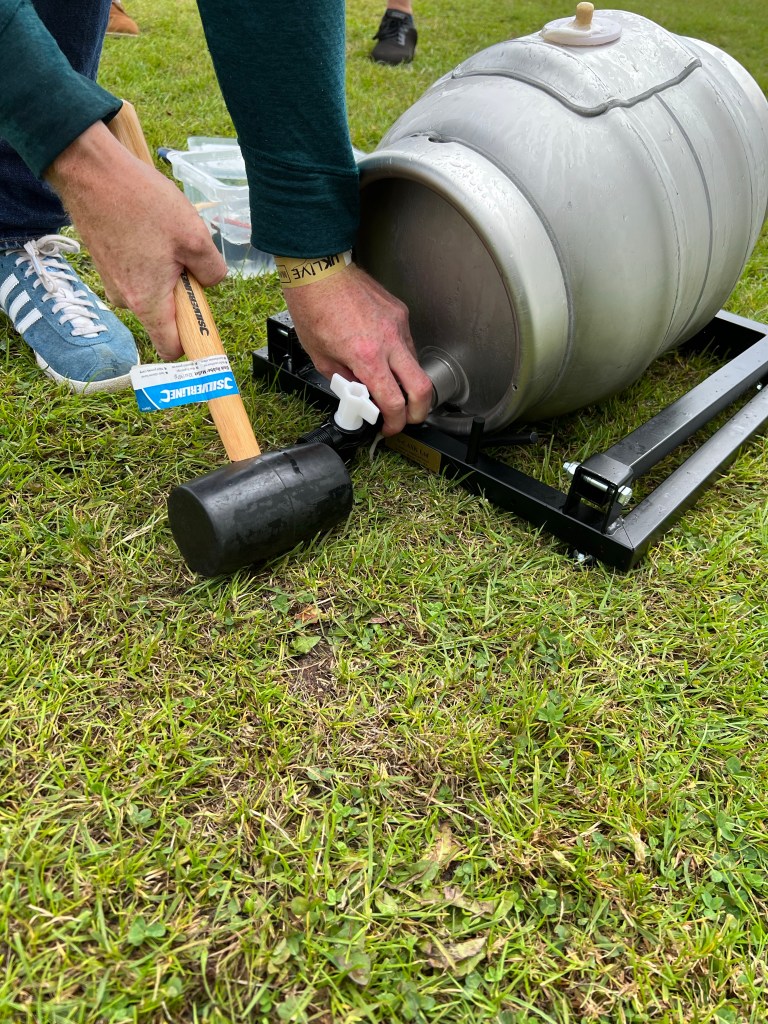
We then hooked the tap up to our hand pump via a short line and added the pump clip.
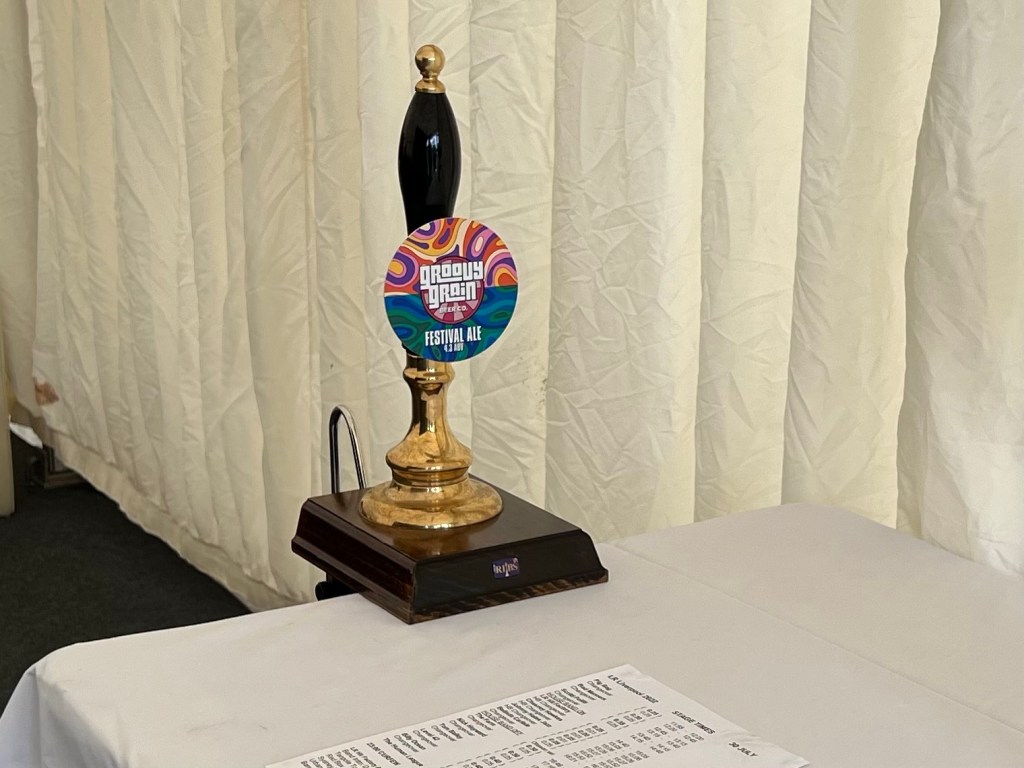
The beer went down a treat as can be seen on our sister site – The Farm.blog

 Groovy Grain